59: 3D Rendering

Hi everyone, it's been a while. I've been so busy practicing 3d rendering lately. I'm currently working to have a realistic exterior and interior render scene. And with the help of Sketchup and Vray which is one of the most widely used 3D modeling software that allows users to visualize their models with the realism and a bunch of tutorials on the internet, everything made easy. So here some of my exterior renders.

Designer: AJ Barbosa
Rendered by: AJ Barbosa
Workflow: SketchUp Pro 8 - Vray 1.49 - Photoshop CS6

Rendered by: AJ Barbosa
Workflow: SketchUp Pro 8 - Vray 1.49 - Photoshop CS6

Designer: Tony Carl Dela Cruz
Rendered by: AJ Barbosa
Workflow: SketchUp Pro 8 - Vray 1.49 - Photoshop CS6


58: Japanese Street Fashion

For me japanese street fashion is creative and interesting. It so playful, vibrant and fancy. Japanese have the guts to challenge themselves to mix and match in unconventional ways, express themselves the way they want to be perceived and explore different styles. I think that so awesome. They put a lot of thought into the aesthetic appeal of things. Arts and design are so deeply ingrained into their culture.


Photos Source: Japanese Streets and Tokyo Faces

57: Novelty Architecture

Novelty Architecture is a funny thing. It appeals to those who saw them and create amuse feeling. Most novelty structure are given unusual shapes for purpose such as advertising. Some were erected to pay tribute to an important event, date or place and often serve as a landmark, while other were constructed to fulfill the idiosyncrasies of those who envisioned them.

It usually mimic objects such as characters, animals, people, fruits, vegetables, household objects or simply unusual shapes or constructed of unusual materials.
PHOTO SOURCE: Google.com


56: Minimalism

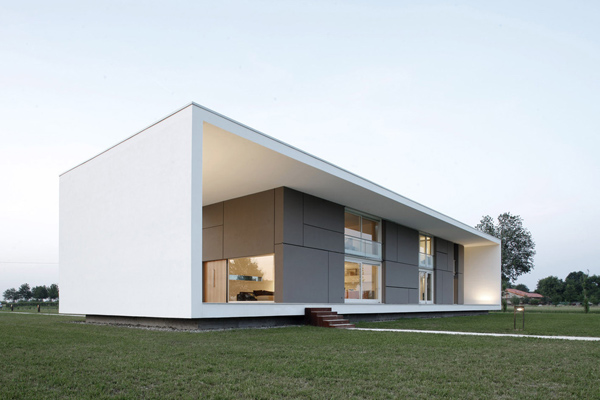
Minimalist design is the used of simplest, fewest and necessary elements to create the maximum effect. The concept is to strip everything down to its essential quality and achieve simplicity. And it is highly influenced by Japanese traditional design and architecture.

Here are some.

PHOTO SOURCE: Google.com

55: Filipino Building Beliefs

Weeks ago I had a meeting with a client talking about the project I'll be working on. First and foremost I asked them what they want their house look likes, their requirements and all. They start telling me , we like that, we like this and they showed me some photos. And I said to myself oops wait, I'm not just here to layout plans and put all the elements that the think is good but unneccessary. But don't misinterpret me, as a designer our role is to make them understand the elements that are comfortable and functional yet aesthetically pleasing. Not just aesthetic, nor comfortability or functionality. It should be all of them to have the best result but still making their dream house into reality. Luckily most of the ideas were liked. But the major boo here is why the heck they're not fan of flat roof and large windows!!! (LOL). Anyways, after all the discussions and everything, I started the layout of the plans and showed it to them. Everything seems so fine until the wife asked me about the number of steps the stairs have, the oro, plata, mata, if the doors and windows facing each other and all that stuff (oh men, Filipino beliefs). It's a bit challenging considering and following all the building beliefs because I have to maximize the space since the lot area is small and they demand spacious areas. But after all the sleepless nights, I think I pulled it off. (YEAH!)

So here what i found about Filipino building beliefs that hopefully will help you! :))

Source: http://www.ncca.gov.ph/about-culture-and-arts/articles-on-c-n-a/article.php?igm=1&i=106